The Category 4 storm that made landfall on Thursday. Rescue crews are working tirelessly, especially in the hardest-hit areas of western North Carolina.
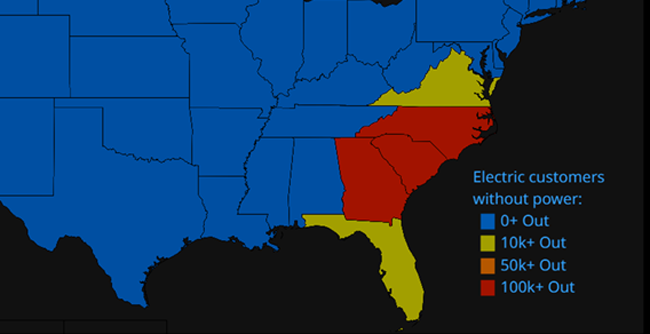
As of 9 p.m. Eastern Time October 2nd over 1 million Americans were still without power.
• S. Carolina: 403,000
• N. Carolina: 303,000
• Georgia: 295,000
• Florida: 27,000
• Virginia: 25,000
• West Virginia: 6,300
The hurricane’s aftermath could further soften some regional pockets of the Southeast. If Helene’s fallout leads to a wave of damaged resale homes hitting the market, shocks to home insurance rates, and a slowdown in regional migration, it could put downward pressure on local home prices.
The vulnerability to a local hurricane-induced home price correction is greater now than in the past, given how much housing affordability has been stretched over the last four years.
Historically speaking, post-hurricane recovery efforts also often lead to a surge in construction activity as damaged homes are repaired or rebuilt. This can temporarily boost demand for subcontractor labor.
Source: ResiClub
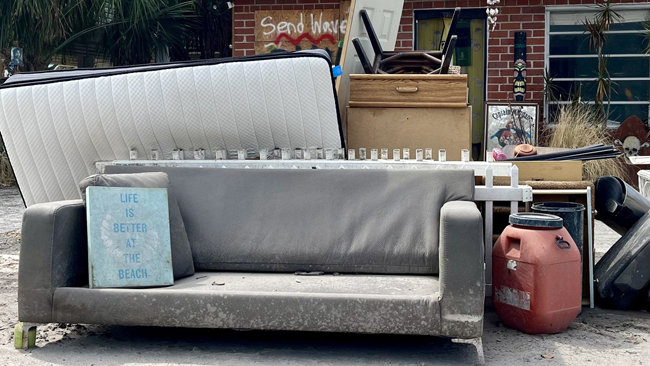
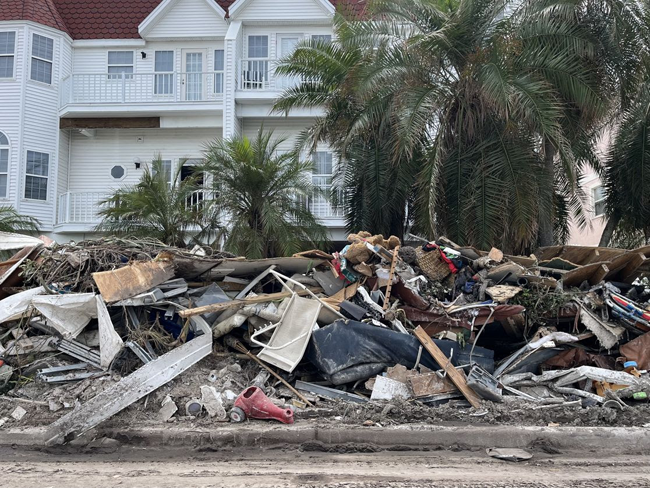
Along Gulf Boulevard and side streets were piles and piles of appliances, couches, mattresses stacked five high, the drywall and wood-plank guts of buildings
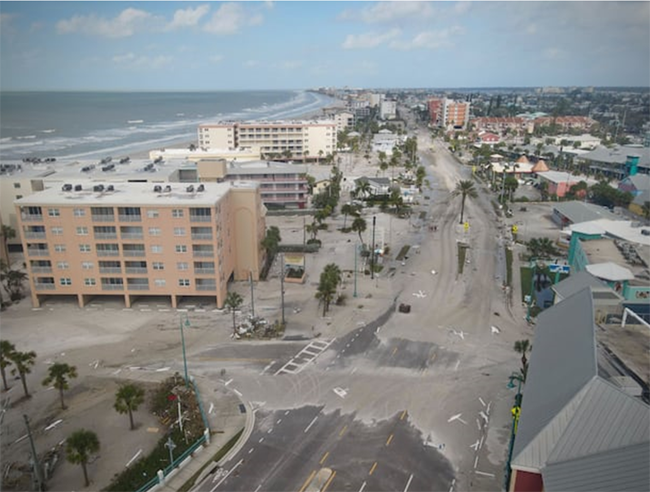
It cannot be overstated how much sand there is, swept into plumes of grainy mist, dumped onto the beach by front loaders and piled in parking lots.
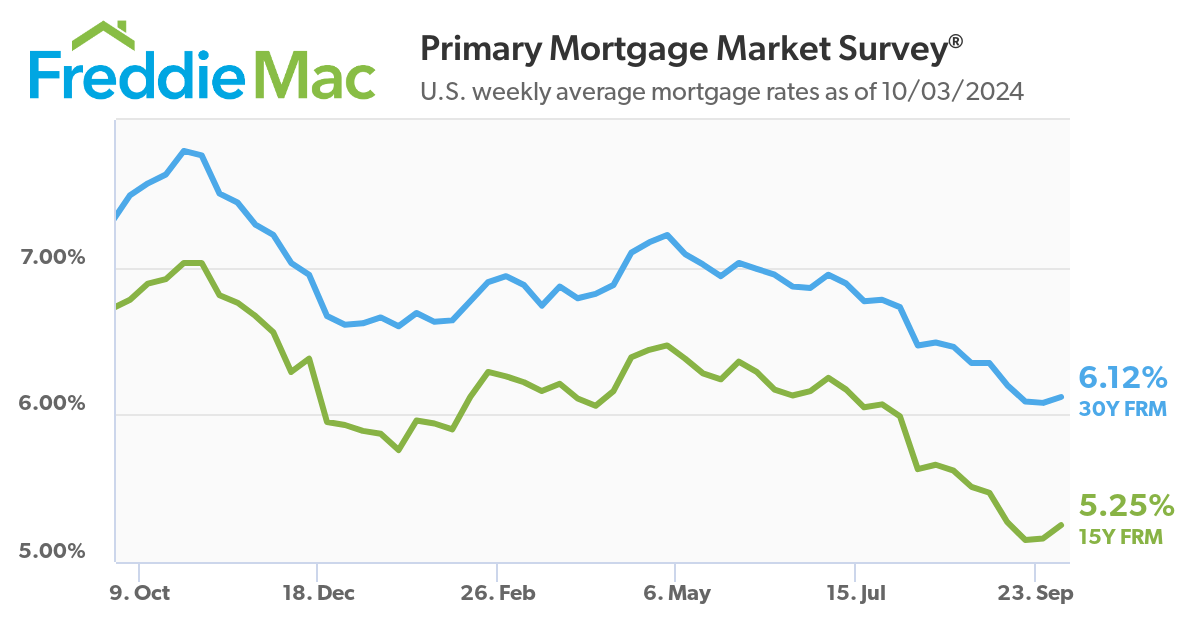
Mortgage Rates
Tick Up
The decline in mortgage rates has stalled due to a mix of escalating geopolitical tensions and a rebound in short-term rates that indicate the market’s enthusiasm on rate cuts was premature. Zooming out to the bigger picture, mortgage rates have declined one and a half percentage points over the last 12 months, home price growth is slowing, inventory is increasing, and incomes continue to rise. As a result, the backdrop for homebuyers this fall is improving and should continue through the rest of the year.