A state senate panel in Tallahassee this month okayed a bill to expand the pool of homes that are eligible under government-backed Citizens Property Insurance Corp. Another proposal that was not approved would have opened up Citizens as the purveyor of wind insurance for all.
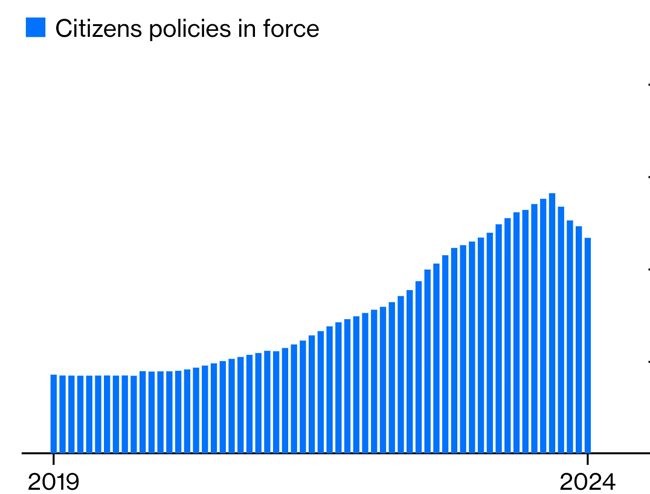
Citizens, is the so-called “insurer of last resort.” During lucky periods with few major hurricane impacts, Citizen’s policies have tended to migrate back to the private sector. In recent years, the pendulum has swung toward greater state influence. Citizens had 1.17 million policies in force as of January, up from 425,000 five years ago.
Florida’s business model is built on real estate. As long as net migration trends are positive and the assessed value of homes keeps rising, tax revenue will rise and the state will most likely underwrite all kinds of risks.
Also worth noting: In the case of an extreme weather event where claims exceed all of Citizens’ reserves and reinsurance coverage, Florida law gives Citizens the power to levy an assessment on all insurance consumers in the state (not just its own policyholders) to cover the shortfall.
Mortgage Rates
Continue to Rise
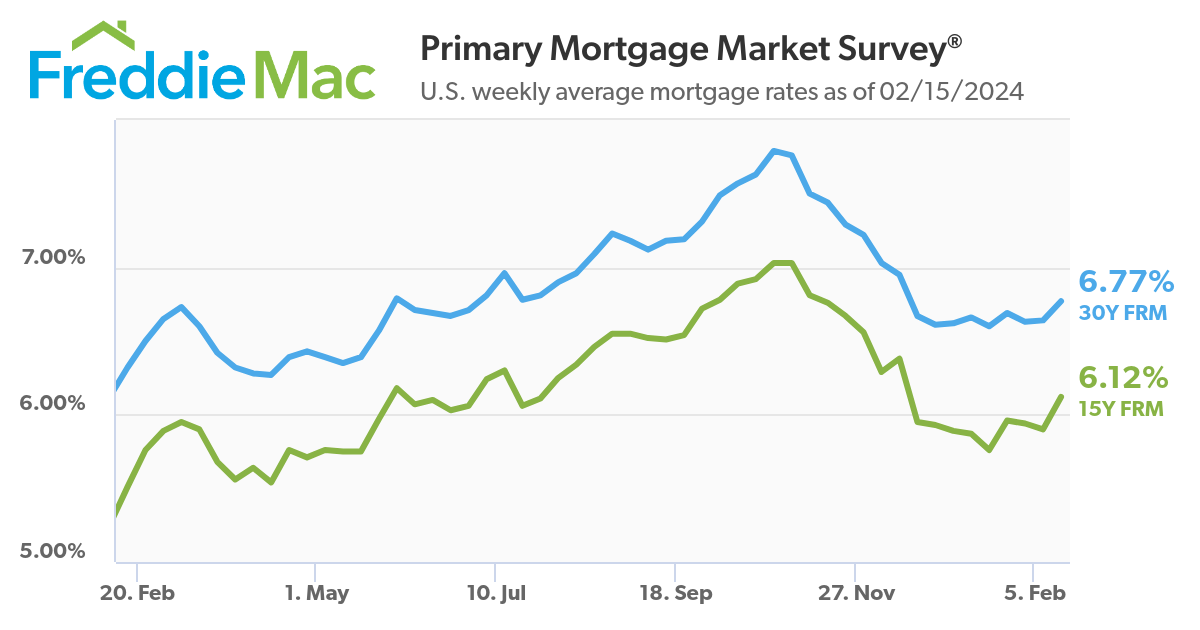
Strong incoming economic and inflation data has caused the market to re-evaluate the path of monetary policy, leading to higher mortgage rates. Historically, the combination of a vibrant economy and modestly higher rates did not meaningfully impact the housing market. The current cycle is different than historical norms, as housing affordability is so low that good economic news equates to bad news for homebuyers, who are sensitive to even minor shifts in affordability.